 SCALEVOLT SHOP
Containerized battery storage for a business: what to check before choosing
A containerized BESS is an electrical and logistics project, not just a battery purchase. This guide shows the data needed, how to compare 268, 1672 and 2508 kWh options, and what cannot be assessed without manufacturer documentation.
Size the load and energy first, then choose the product. kWh alone does not tell you the power available or how the system behaves during a grid outage.
1. Load profile and project goal
Collect at least a 15-minute consumption profile, peak demand, a critical-load list and the goal: peak shaving, PV self-consumption, backup, islanded operation or grid support. Without this, power and energy cannot be sized.
- 15-minute load profile, at least 12 months
- Peak and minimum demand, load type (motors, chargers, IT)
- Critical-circuit list and acceptable transfer time
- Project goal and expected payback period
2. Power versus energy — two different questions
kWh answers “for how long”, while kW answers “what load”. The DG1000 1672 kWh record states 720 kW but does not confirm it as continuous AC output. For DG1000 268 kWh and DG2000 2508 kWh, the power rating is not stated. Do not compare kWh alone.
- Continuous AC power at site temperature
- Surge power, overload duration and short-circuit behaviour
- Usable energy, depth of discharge and efficiency
- Behaviour during grid-to-island transfer
3. Grid connection, grid code and permits
Grid-code compliance requires assessment for all three models. You need AC voltage and frequency, phases, operator requirements, anti-islanding protection and an islanded-operation plan. A container may also require building permits, fire review and approvals from a qualified assessor.
- Interconnection conditions and grid operator code
- Voltage, frequency, phase and grid topology
- Anti-islanding protection and islanded-operation plan
- Permits, fire review and local requirements
4. Logistics, foundation and commissioning
A container weighs tens of tonnes and needs access roads, a crane, a foundation, ventilation and clearances. Transport, unloading and commissioning terms are not stated in the current records and must be confirmed before ordering.
- Transport dimensions and weight, access road, crane
- Foundation, drainage, ventilation and clearances
- Scope of supply, commissioning and training
- Service, spare parts and response time
5. How to compare the three models
DG1000 268 kWh is the smallest energy block with an all-in-one design. DG1000 1672 kWh states 720 kW, IP55 and 80 ms transfer. DG2000 2508 kWh claims grid-forming and scaling to hundreds of MW. These are different project classes — selection depends on load profile, interconnection and grid requirements, not capacity alone.
- Compare power, usable energy and AC voltage, not just kWh
- Check which parameters are verified and which are manufacturer claims
- Request the datasheet, certificates, drawings and warranty terms
Products in this guide
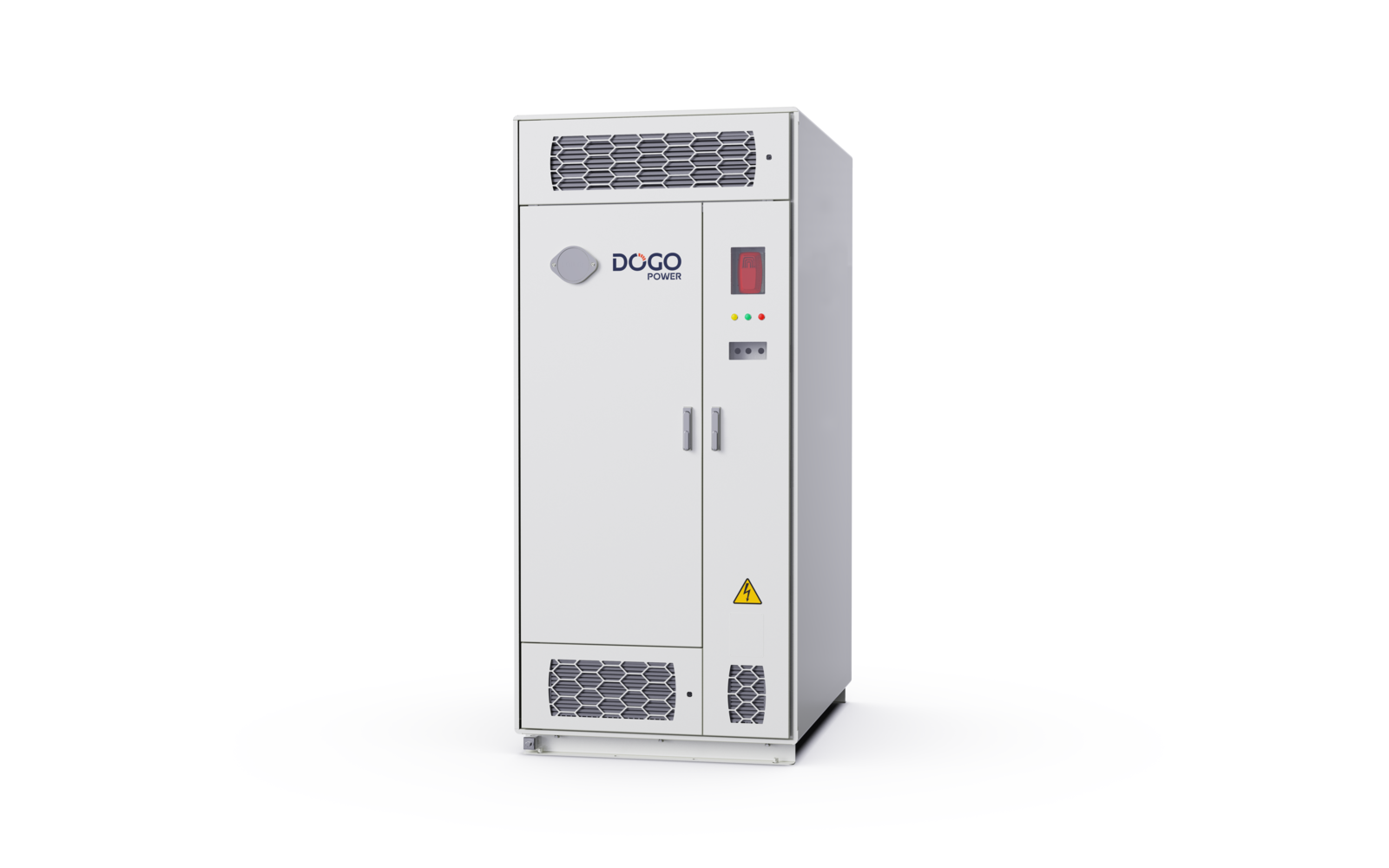
DOGO DG1000 268 kWh Energy Storage System
Storage · 59,520.00 EUR · In stock
A compact 268 kWh LFP all-in-one storage unit for commercial and industrial sites that need a mid-sized energy block and already have an engineered grid connection and inverter/EMS interface.
Full product page →
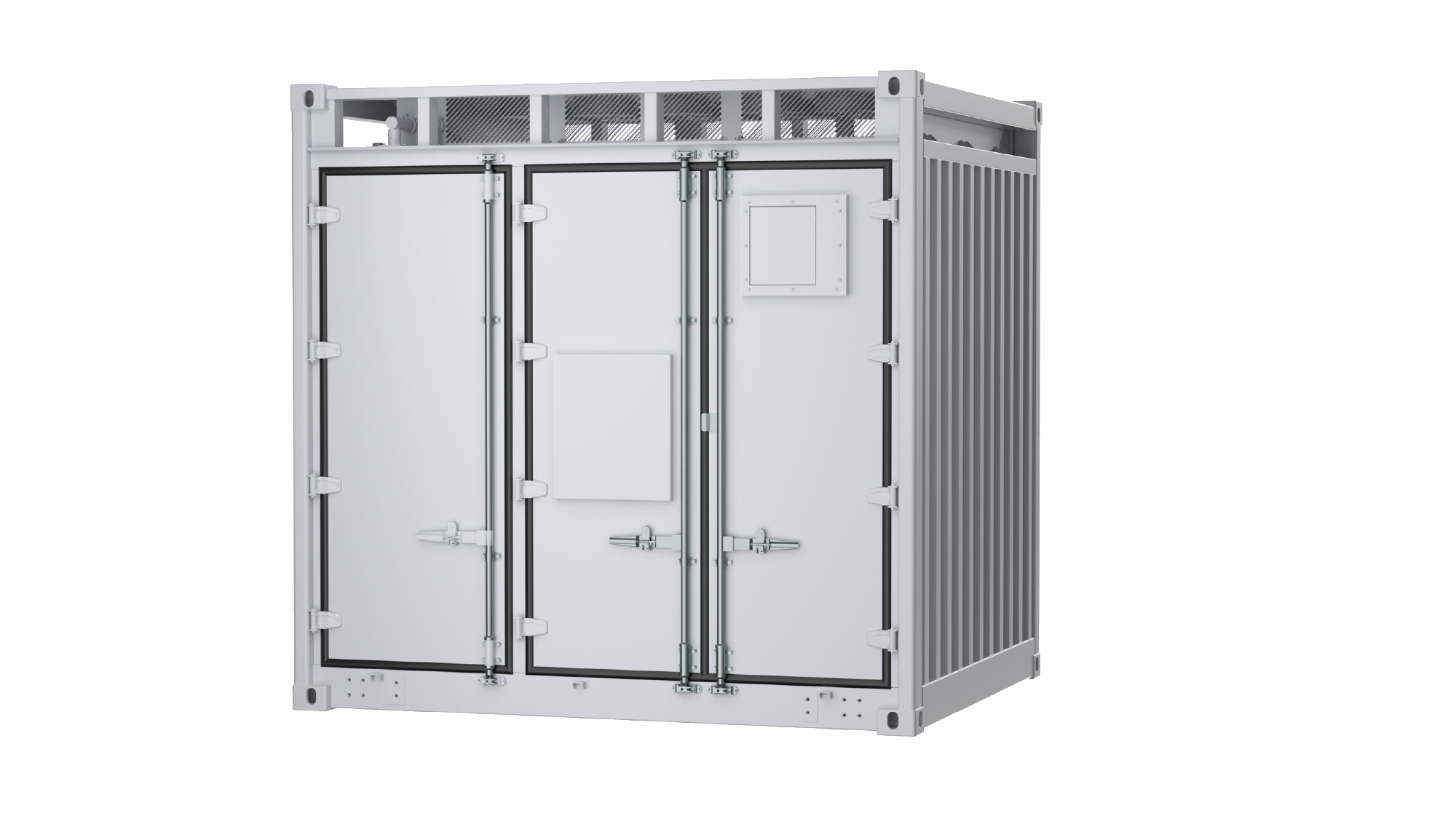
DG1000 1672 kWh containerized battery storage
Storage · 393,502.00 EUR · In stock
A containerized 1672 kWh LFP system with a 720 kW rating for commercial, industrial and grid-support projects that need a larger energy block and fast grid-to-island transition.
Full product page →
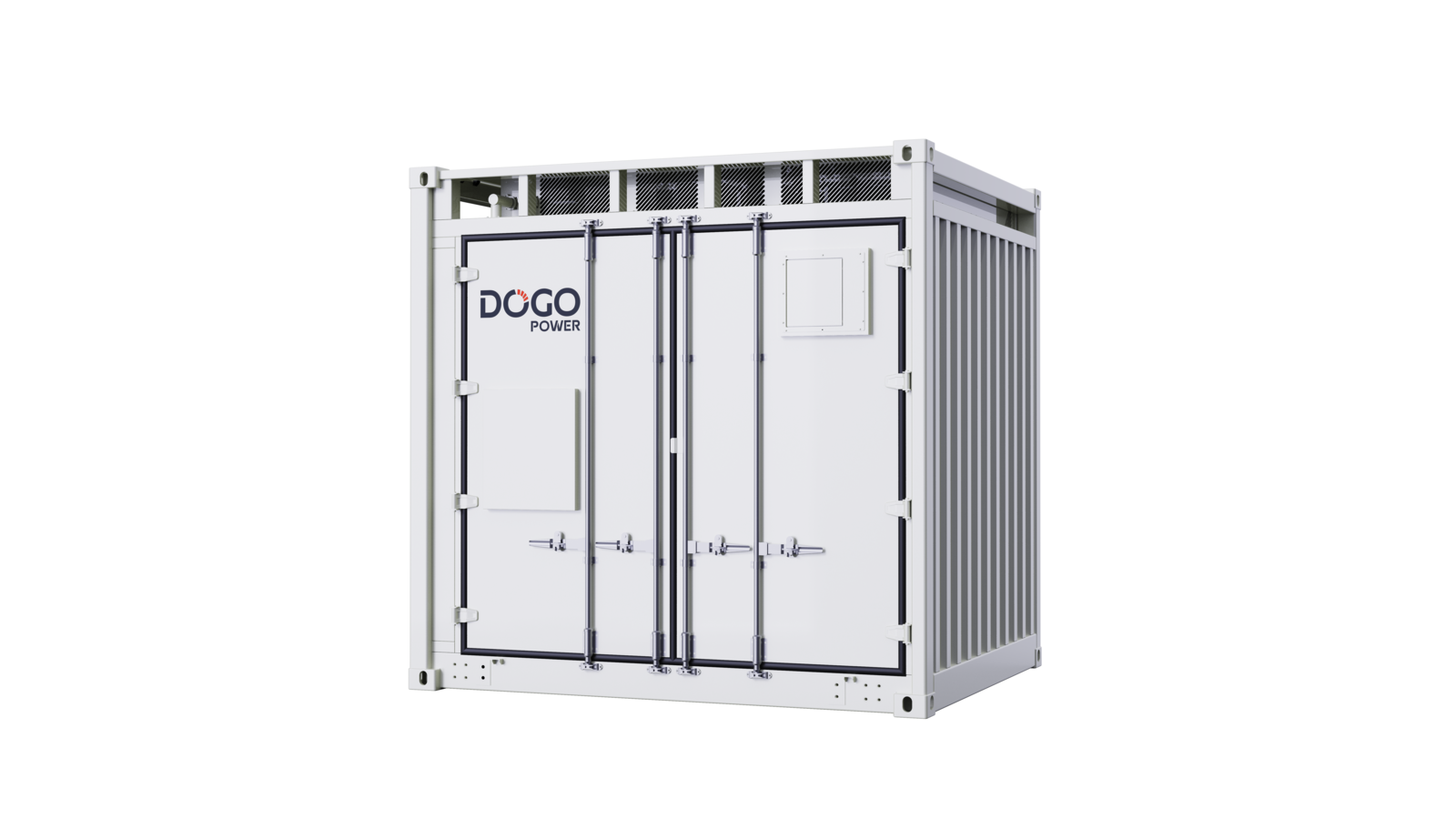
2508 kWh containerized grid-forming energy storage system
Storage · 539,680.00 EUR · In stock
A 2508 kWh containerized system with grid-forming (VSG) technology for large commercial, industrial, microgrid and utility-scale projects that have a project owner and a grid-code study.
Full product page →
Buyer questions
Can I choose a BESS based on kWh alone?
No. You need power, usable energy, AC voltage, load profile, interconnection conditions and grid requirements. kWh alone does not determine the load that can be supplied.
Does Scalevolt design and install the complete system?
The shop sells hardware; design and installation are quoted by the scalevolt.pl/contact team. Every containerized BESS project requires a qualified designer and installer.
Product information only, not a system design. Grid connection, permits, fire safety, sizing and installation require a qualified engineer and installer.